The History
A Dish Rooted in Ancient Tradition
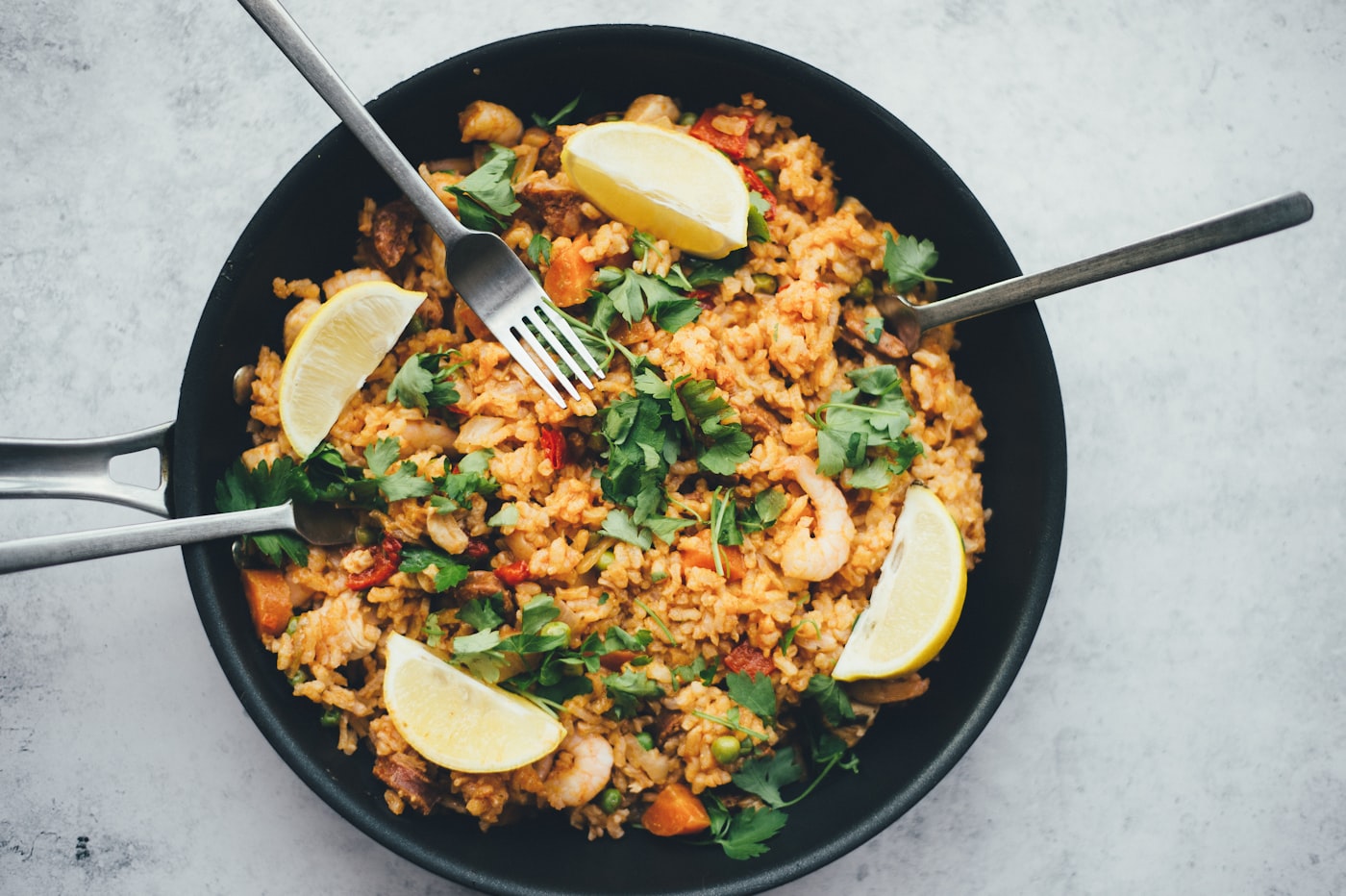
Maqluba, meaning "upside-down" in Arabic, is one of the oldest and most iconic dishes in the Palestinian and broader Levantine culinary canon. Its roots stretch back centuries, with references to a similar dish appearing in the 13th-century Arab cookbook Kitab al-Tabikh (The Book of Dishes), where a layered meat-and-rice preparation was described as a centerpiece for feasts.
Historically, maqluba was a dish of celebration. It graced tables at weddings, Eid gatherings, and family reunions, its dramatic presentation, a towering dome of rice, vegetables, and meat revealed with a single confident flip, serving as a symbol of abundance and hospitality. Each Palestinian family carries its own version, passed down through generations, with slight variations in spice, vegetable choice, and technique that reflect regional identity.
In Palestine, the dish is deeply tied to the land. Cauliflower from the cool highlands of Ramallah, eggplant from the Jordan Valley, lamb or chicken from local farms, maqluba tells the story of Palestine's agricultural richness. After the Nakba of 1948, as Palestinian communities dispersed across the world, maqluba became one of the most powerful culinary links to home and memory, carried by refugees and diaspora communities wherever they settled.
Today, maqluba is celebrated across Jordan, Syria, Iraq, and Lebanon as well, but in Palestinian homes, it holds a uniquely emotional significance. It is the taste of sumoud, steadfastness, made edible.
The Recipe
How to Make Maqluba
This recipe serves 6. It takes patience and a steady hand for the flip, but the result is worth every moment.
Ingredients
Meat & Rice
- 1 whole chicken, cut into pieces (or 1 kg lamb shoulder)
- 2 cups Egyptian or short-grain rice, soaked 30 min
- 4 cups chicken or meat broth
- 2 tbsp ghee or olive oil
Vegetables
- 1 medium cauliflower, cut into florets
- 2 medium eggplants, sliced into rounds
- 2 medium tomatoes, sliced
- 1 large onion, sliced
- Neutral oil for frying
Spice Blend
- 1½ tsp allspice
- 1 tsp cinnamon
- 1 tsp cumin
- ½ tsp black pepper
- ½ tsp turmeric
- Salt to taste
- 2 bay leaves
To Serve
- Plain yogurt
- Fresh parsley, chopped
- Toasted pine nuts or almonds
- Tomato & cucumber salad
Method
Cook the Meat
In a large heavy pot, heat the ghee over medium-high heat. Brown the chicken or lamb pieces on all sides until golden. Add the sliced onion and cook until softened. Add the spices, bay leaves, and enough water to cover. Bring to a boil, then simmer covered for 45–60 minutes until the meat is tender. Reserve the broth.
Fry the Vegetables
While the meat cooks, salt the eggplant slices and let them rest for 20 minutes, then pat dry. Fry the eggplant and cauliflower in batches in hot oil until golden brown. Drain on paper towels.
Layer the Pot
In a large, heavy-bottomed pot (the same one or a clean one), layer as follows: sliced tomatoes on the bottom, then fried eggplant, then cauliflower. Place the cooked meat pieces on top. Season each layer lightly with salt and spice blend.
Add the Rice
Spread the soaked and drained rice evenly over the meat and vegetables. Pour the reserved broth over the rice, it should come about 1–1.5 cm above the rice level. Add salt to taste.
Cook
Bring to a boil over medium-high heat. Once boiling, reduce to the lowest heat, cover tightly (use foil under the lid for a tighter seal), and cook for 35–40 minutes until the rice is fully cooked and the broth absorbed.
The Flip
Remove from heat and let rest, covered, for 10 minutes. This is the moment of truth: place a large, flat serving platter firmly over the pot. With one confident motion (and ideally a kitchen towel in each hand), flip the pot onto the platter. Hold for 30 seconds, then slowly lift the pot. The maqluba should release in a beautiful layered dome. Garnish with toasted nuts and parsley.
Chef's Notes
The key to a successful flip is confidence and a well-sealed pot during cooking. Don't lift the lid while it's steaming, the trapped steam is what cooks the rice evenly. If some of the bottom sticks (a little tahdig-style crust is a bonus!), just serve it alongside. Maqluba is always delicious.
Also This Month
Explore our other Flavor of the Month recipe
Stay Connected
Join Pangea Rewards
Get seasonal recipes, new product alerts, and exclusive offers delivered straight to your inbox. We send only what matters, no spam, just good food.